
Roofing in Lakewood, CO Built for Hail, High-Altitude Sun, and Chinook Winds
At 5,500 feet, roofs in Lakewood take a beating that most of the country never sees. Spring and summer storms drop 1–2" hail across Jefferson County. About 300 days of thin-air sunshine bake asphalt until it's brittle. Then winter swings 30–40°F in a single day, and that's how ice dams start on all those mid-century ranch roofs. Lakewood Roofing Contractors works on exactly these problems. We inspect, repair, replace, and maintain shingle, metal, TPO, and EPDM roofs, so your home or building can handle whatever comes off the foothills next.
Our crew works across the west metro every day. That means low-slope 1960s ranches near Morse Park and Carmody, flat-roof townhomes in Belmar, and steep, wind-blasted roofs on Green Mountain. We also travel to Wheat Ridge, Golden, and Evergreen, where snow load and wildfire rules change what a roof needs. Your roof isn't the same as the one across the hogback, and we don't treat it that way. You get honest assessments, clean documentation for insurance, and workmanship that fits Colorado's Front Range climate.
- ✓Bonded and fully insured
- ✓Shingle, metal, TPO, and EPDM roofs
- ✓Residential and commercial roofing
- ✓Emergency roofing for storm and wind damage
- ✓Financing available
- ✓Serving a 20-mile radius around Lakewood
- ✓Roof coatings and rejuvenation to extend roof life
Request Your Free Estimate
No obligation. Fast, honest quotes.
Thank you — your request was sent!
A member of the Lakewood Roofing Contractors team will reach out shortly. Need help now? Call (720) 729-9556.
Why Lakewood Roofs Need a Front Range Specialist
Lakewood sits right where the plains run into the foothills, east of the Dakota Hogback. The weather, the housing stock, and the patchwork of city and county rules here combine in ways a generic roofing playbook doesn't cover. Here's what actually wears down roofs in the west metro.
Hail Alley, Altitude UV, and Downslope Winds
The Denver metro sits in the middle of Hail Alley. Hail season runs from about April through August and peaks in May through July. The May 2017 storm that hit Lakewood and Wheat Ridge was one of the costliest insured disasters in Colorado history, and plenty of homeowners have filed several roof claims in a single decade. At 5,500 feet, UV is noticeably stronger than at sea level, so shingles oxidize and shed granules years before their rated life is up. Chinook winds can gust past 60–100 mph along Green Mountain, Morrison, and Golden, peeling up shingle tabs and ridge caps. Lakewood averages about 60" of snow a year, and Evergreen gets 100" or more. Heavy, wet upslope storms in March and April add real load. Annual precipitation is only 15–18", but it tends to arrive in short, violent bursts.
Mid-Century Ranches, Bungalows, and Infill
Lakewood grew fast after WWII and incorporated in 1969. A lot of its homes are 1950s–1970s ranches, split-levels, and bi-levels with low 3/12–5/12 pitches. Those roofs drain slowly, take hail head-on, and are prone to ice dams. Many have been re-roofed two or three times. Tear-offs regularly turn up multiple layers, old skip-sheathing left from former shake roofs, undersized attic ventilation, and tired aluminum gutters. Eiber, North Alameda, and Edgewater have 1920s–1950s bungalows with steeper roofs, chimneys, and complicated flashing. Belmar and newer infill projects rely on TPO, EPDM, and modified bitumen low-slope systems. Green Mountain and Bear Creek have 1970s–1990s two-story homes with hip-and-valley roofs, while Evergreen and Morrison mix steep metal roofs with aging cedar shake.
Permits, Contracts, HOAs, and Historic Review
Colorado has no statewide roofing license, so each city sets its own rules. Lakewood requires a building permit and inspections for re-roofing. Under its adopted IRC amendments, you'll typically need a tear-off once two layers are present, ice-barrier underlayment at the eaves, and high-wind fastening. Denver, Golden, Wheat Ridge, Littleton, and Edgewater each run separate permit and contractor systems. Evergreen and unincorporated Morrison go through Jefferson County, where wildfire-hazard expectations favor Class A roofing. State law (C.R.S. 6-22) requires written contracts and a 72-hour cancellation right after an insurance denial, and it bans contractors from waiving deductibles. HOAs in Green Mountain, Belmar, and Solterra often control shingle color and style. Downtown Golden, Morrison, and Denver landmark districts may require design review too.
Who's Protecting What
Lakewood is Colorado's fifth-largest city, with about 155,000 residents. A lot of them are long-time owners in mid-century ranches, living next to young families buying updated homes near the W Line at Belmar and Federal Center. Home values across the metro are high, so most owners treat a roof as protection for their equity and lean toward long-life materials. Insurers keep raising deductibles, moving to percentage-based wind/hail deductibles, and paying actual cash value on older roofs. That's driving strong interest in Class 4 impact-resistant shingles, which can earn premium discounts. In the foothills, Class A fire-rated systems are often the main concern.
Common Roofing Problems in Lakewood and the West Metro
Most roof failures around here trace back to the same few causes: hail, sun, wind, and freeze-thaw, made worse by the age and design of the house. Knowing why a problem shows up on your type of home makes it much easier to catch early and fix right the first time.
Hail Bruising and Granule Loss Serious
Hailstones crush the asphalt mat under a shingle's granule surface and fracture the fiberglass reinforcement. The bruise is often invisible from the ground, but it exposes the asphalt to UV and water, so the shingle fails years early.
Why it's common hereLakewood sits squarely in Hail Alley, and storms between May and July regularly produce 1–2" stones across Jefferson County. Low-slope ranch roofs face the sky almost flat, so they take the full impact. Shingles already brittle from altitude UV crack more easily. Claim windows on Colorado policies are limited, and insurers increasingly pay only actual cash value on older roofs. If a homeowner waits for a leak to show up, the damage may no longer be covered.
Signs you'll notice- Dark spots where granules have been knocked off
- Granules piling up in gutters and at downspout outlets
- Dents in gutters, vents, and metal flashing
- Cracked or split shingles and wood shakes
- Dings on AC units, window screens, or the car
- Soft spots that give under light pressure
We see heavy hail clustering in Wheat Ridge, Applewood, and north Lakewood after storm lines come off the foothills. The low-slope ranches in Morse Park, Carmody, and Eiber usually show the most widespread bruising across their large, shallow roof planes.
Our fix: We do a documented hail inspection with test squares and photos, give you an itemized scope for your insurer, and handle repair or full replacement. Class 4 impact-resistant shingles are often worth considering.
Chinook Wind Blow-Offs Emergency
Downslope winds break the sealant strips that hold shingles down, lift the tabs, and can tear off whole courses or ridge caps. Once the underlayment or deck is exposed, the next storm can push water straight into the attic.
Why it's common hereChinook and bora winds come off the foothills with gusts that can top 60–100 mph, hitting hardest along the western edge of the metro. Sealant strips weaken under constant UV, and many older roofs were installed with four nails per shingle instead of high-wind fastening. Big daily temperature swings keep breaking the seal bond between shingles, so even a roof that's only a few years old can lose shingles in a strong winter windstorm.
Signs you'll notice- Missing shingles or shingle pieces in the yard
- Lifted or creased tabs you can see from the street
- Ridge caps peeled back or missing
- Exposed black underlayment or bare decking
- New water stains on ceilings after a windstorm
Green Mountain, Bear Creek, Golden, and Morrison see the most wind damage, especially on exposed ridgelines and on two-story homes. Winter and early spring windstorms send a wave of calls from the western edge of Lakewood.
Our fix: We tarp or temporarily secure the roof right away. Then we replace damaged shingles with matched materials and high-wind nailing, and re-seal surrounding tabs so the problem doesn't spread.
Ice Dams on Low-Slope Ranch Roofs Serious
Heat escaping from the attic melts snow on the upper roof. The meltwater runs down and refreezes at the cold eaves, building a ridge of ice. Water backs up behind it, works under the shingles, and leaks into soffits, walls, and ceilings.
Why it's common hereLakewood's sunny winter days climb above freezing, then nights drop well below. That freeze-thaw cycle repeats again and again. Mid-century ranches with shallow 3/12–5/12 pitches drain slowly, and most were built with too little insulation and attic ventilation. Older re-roofs often skipped the ice-barrier underlayment that current Lakewood code requires at the eaves. Heavy wet March and April upslope snows add even more water to the problem.
Signs you'll notice- Thick ice ridges and icicles along the gutters
- Water stains near exterior walls or ceiling corners
- Peeling paint or wet spots on soffits
- Gutters pulling away from the fascia
- Frost or damp insulation in the attic
Ice dams are most common on 1950s–1970s ranches and bi-levels in Union Square, Lakewood Two Creeks, Morse Park, and North Alameda, plus north-facing eaves across the city. In Evergreen, deeper snowpack makes them larger and more damaging.
Our fix: We remove the damaged eave materials, install ice-and-water barrier, and correct attic intake and exhaust ventilation. Where needed, we also upgrade gutters so meltwater drains instead of refreezing.
UV-Aged, Brittle Shingles Moderate
High-altitude sunlight oxidizes asphalt, dries out its oils, and weakens the bond holding the granules. Shingles curl, crack, and lose their protective surface well before their rated lifespan, even when no single storm ever damaged them.
Why it's common hereWith roughly 300 sunny days a year and noticeably stronger UV at 5,500 feet, Lakewood roofs age faster than the same products at sea level. South- and west-facing slopes get the worst of it. Daily 30–40°F temperature swings flex the brittle material over and over. A shingle sold as a 25- or 30-year product can be failing in 15–18 years here, especially if attic heat is cooking it from below.
Signs you'll notice- Curling or cupped shingle edges
- Cracks across the shingle face
- Bald, shiny patches with no granules
- A faded, uneven roof color
- Shingles that snap instead of flex
This shows up most on south and west slopes across Lakewood and Littleton, and on roofs installed in the late 1990s and 2000s in Bear Creek and Green Mountain subdivisions. Steeper Evergreen roofs at higher elevation take even more UV.
Our fix: If the roof has life left, we may recommend targeted repairs or a rejuvenation treatment. Once widespread cracking sets in, replacement with UV-resistant architectural or Class 4 shingles is the better value.
Failing Pipe Boots and Flashing Moderate
Rubber pipe boots, step flashing, and chimney counter-flashing seal the spots where the roof meets vents, walls, and chimneys. When the rubber cracks or the metal rusts or pulls loose, water gets in, often far from where the stain shows.
Why it's common hereUV breaks down neoprene pipe boots here in as little as 8–12 years. Freeze-thaw and big temperature swings make flashing expand and contract until sealant joints open up. Many older Lakewood and west Denver homes have chimneys and wall intersections where earlier crews just caulked over old flashing instead of replacing it. Hail also dents and splits soft metal vent caps.
Signs you'll notice- Cracked or split rubber around plumbing vents
- Rust streaks below flashing
- Caulk-only patches at chimneys
- Stains on ceilings near bathrooms or the chimney
- Dented or loose vent caps
We find flashing failures most often on 1920s–1950s bungalows in Edgewater, Eiber, North Alameda, and Wheat Ridge, where brick chimneys and dormers are common. Two-story homes in Green Mountain have their own trouble spots at wall-to-roof transitions.
Our fix: We replace pipe boots with UV-rated or metal boots and install proper step and counter-flashing at chimneys and walls. Caulk is never the main water barrier on our jobs.
Flat and Low-Slope Membrane Failure Moderate
TPO, EPDM, and modified bitumen roofs depend on continuous seams and positive drainage. Seams separate, membranes shrink or puncture, and water ponds in low spots. That leads to slow leaks and saturated insulation underneath.
Why it's common hereBelmar's mixed-use buildings, infill townhomes, and mid-century modern homes all use low-slope systems. Intense UV degrades membranes, hail punctures them, and freeze-thaw stresses seams and drains. Our short, intense convective storms dump water faster than clogged scuppers and drains can move it. Ponding that sits for more than 48 hours speeds up wear and adds weight to the structure.
Signs you'll notice- Standing water 48 hours after rain
- Bubbles, blisters, or wrinkles in the membrane
- Open or lifting seams
- Cracking around drains and penetrations
- Ceiling stains in top-floor units
This is common on Belmar townhomes and mixed-use buildings, commercial strips along Colfax and Wadsworth, and mid-century modern homes in parts of Lakewood and Denver. Problems tend to show up after spring hail and heavy upslope snowmelt.
Our fix: We repair seams and punctures, clear and improve drainage, or apply a reflective roof coating. When the membrane is beyond saving, we replace it with a new TPO or EPDM system.
Poor Attic Ventilation and Condensation Minor
Without balanced intake and exhaust airflow, warm, moist air gets trapped in the attic. In winter it condenses on the cold decking. In summer, trapped heat bakes shingles from below and shortens their life.
Why it's common hereMany Lakewood homes from the 1950s–1970s were built with minimal soffit vents. Later re-roofs or insulation upgrades often blocked what little airflow there was. Cold winter nights cause frost on the underside of the deck, which melts on sunny days and drips. Shingle manufacturers can also deny warranty claims when ventilation doesn't meet their requirements.
Signs you'll notice- Frost or water droplets on attic nails
- Dark staining or mildew on roof sheathing
- An attic that's extremely hot in summer
- Damp or matted insulation
- A wavy roofline from swollen decking
We see this in Applewood, Carmody, and Morse Park ranches and bi-levels, especially homes where the original soffit vents were painted or covered over during siding updates.
Our fix: We calculate the ventilation your attic needs, then add or rebalance soffit intake and ridge exhaust. If the decking is damaged, we replace it during the roof work.
Roofing Services for Lakewood Homes and Businesses
Every service we offer is shaped by the same local realities: hail, UV, wind, snow, and older homes that have been re-roofed more than once. Whether you need one pipe boot or a full commercial membrane, we match the materials and methods to your building and its exposure.
Roof Inspection ⭐ Specialty
We do a detailed, hands-on inspection of your shingles, flashing, penetrations, gutters, decking, and attic ventilation. You get a clear written report with photos, so you know exactly what condition the roof is in and how much life it has left.
Our approachWe check test squares for hail bruising, look for wind creasing, examine flashing, and look in the attic for moisture and airflow problems. Everything is photographed and mapped so you can share it with an insurer, buyer, or HOA.
In Lakewood, COAfter a May or June hailstorm in Wheat Ridge or Applewood, a documented inspection is the first step toward meeting your policy's claim deadline. We also inspect for real estate transactions, which come up often in fast-moving markets like Belmar and Edgewater.
Best for: Homeowners after a hail or wind event, buyers and sellers, anyone filing an insurance claim, and owners of roofs over 12 years old who want an honest read.
Roof Repair
We fix leaks, replace missing or damaged shingles, swap failing pipe boots, rebuild flashing, and repair storm damage. The goal is to stop water intrusion and get more years out of a roof that's still structurally sound.
Our approachWe find the actual water entry point instead of patching where the stain shows up. Repairs use matched materials, high-wind nailing, and proper step and counter-flashing. We don't rely on caulk or roofing cement as a long-term fix.
In Lakewood, COChinook blow-offs on Green Mountain, cracked boots on UV-baked Lakewood ranches, and leaky chimney flashing on Eiber and North Alameda bungalows make up most of our repair calls.
Best for: Roofs with isolated damage, slow leaks, wind-lifted shingles, or failing flashing that otherwise have years of service left.
Roof Replacement ⭐ Specialty
We tear off the old roofing, inspect and repair the deck, and install a complete new system with underlayment, ice barrier, flashing, and ventilation that meet current code. We do this for asphalt, Class 4 impact-resistant, and metal roofs.
Our approachWe do full tear-offs, which code requires once two layers are present. We re-sheath over old shake plank decking when needed, and install ice-and-water barrier at the eaves. High-wind fastening and balanced ventilation come standard.
In Lakewood, COLakewood's mid-century homes often hide multiple layers and skip-sheathing. We price decking up front so there are fewer surprises. Many clients upgrade to Class 4 shingles for possible insurance discounts, and HOA color requirements in Solterra and Green Mountain are checked before we order.
Best for: Roofs with widespread hail damage, UV-brittle shingles, repeated leaks, or homeowners planning to stay long-term who want fewer claims.
Roof Installation
We install new roofing systems on additions, new construction, and major remodels, including architectural shingles, standing-seam and exposed-fastener metal, TPO, and EPDM. Each system is designed for local snow load, wind exposure, and fire risk.
Our approachWe choose materials based on pitch, exposure, and use. That means metal or Class A systems for wildfire zones and membranes for low-slope sections. We follow manufacturer installation specs closely and coordinate with your builder and the local permit office.
In Lakewood, COEvergreen and Morrison mountain homes call for steep-slope metal and Class A materials rated for 100"+ snow. Infill builds and additions in Edgewater and west Denver often combine pitched shingle roofs with low-slope membrane sections.
Best for: New builds, additions, scrape-and-rebuilds, and homeowners switching to metal or fire-resistant roofing.
Roof Maintenance
Scheduled maintenance catches small problems before hail season or winter makes them expensive. We clean debris, reseal penetrations, secure loose shingles, clear gutters, and apply coatings or rejuvenation treatments that can extend roof life.
Our approachWe recommend spring and fall visits. A spring check before hail season covers sealant, boots, and gutters. A fall check before freeze-thaw covers ventilation, eaves, and flashing. Coatings and rejuvenation are recommended only when the roof is a good candidate.
In Lakewood, COOngoing maintenance helps offset the early UV aging that shortens roof life at 5,500 feet. It's especially useful for wooded Evergreen lots where needles pile up, and for long-time owners in Lakewood ranches who want to put off a full replacement.
Best for: Roofs in their middle years, wooded properties, flat roofs, and property owners who want to budget ahead rather than react to leaks.
Commercial Roofing
We install, repair, coat, and maintain low-slope and steep-slope roofs on retail, office, multifamily, mixed-use, and light industrial buildings. That includes TPO, EPDM, modified bitumen, metal, and shingle systems.
Our approachWe start with a core sample and moisture survey. From there we may repair seams, improve drainage, apply reflective coatings to restore the surface, or fully replace the membrane. Work is phased to keep tenants and businesses running.
In Lakewood, COBelmar's mixed-use blocks, retail and office buildings along Colfax, Wadsworth, and Union Boulevard, and Golden's mix of historic brick and newer commercial buildings all deal with hail, UV, and ponding problems on flat roofs.
Best for: Property managers, HOAs with townhome roofs, business owners, and multifamily owners who need dependable leak control and a long-term plan.
Emergency Roofing
When hail, wind, a fallen limb, or heavy snow opens your roof, we respond quickly. We tarp, board, and temporarily seal the roof to stop interior damage, then document everything for your insurance claim.
Our approachWe install secured tarps and temporary patches, take photos of the damage and the mitigation work, and give you a written scope for permanent repairs once conditions allow.
In Lakewood, COSpring and summer hail outbreaks, Chinook windstorms along the foothills, and heavy March snow loads in Evergreen are the most common emergencies we see in the west metro.
Best for: Active leaks, missing roof sections, storm-opened decking, or tree impact. Basically, any situation where waiting means water damage inside.
How Your Roofing Project Works
Every project follows a clear process built around local permitting, insurance timelines, and Colorado's short installation season. You'll know what's happening, when, and why at each step.
Inspection and Documentation
- Roof, flashing, gutter, and attic inspection
- Hail test squares and wind-damage checks
- Photo documentation of every finding
- A plain-language walkthrough of what we found
Local note: After a hailstorm, we put homeowners close to their policy's reporting deadline first.
Written Estimate and Options
- Itemized written contract as required by C.R.S. 6-22
- Material options such as standard, Class 4, metal, or membrane
- Decking contingency priced up front for older homes
- Financing options explained if you want them
Local note: State law bans contractors from waiving or paying deductibles. Our estimates are honest and stay within the law.
Insurance, Permits, and HOA Approvals
- Supporting documentation for your adjuster
- Supplement requests for code-required items
- Permits for Lakewood, Denver, Golden, Wheat Ridge, or Jefferson County
- HOA color and style submittals when required
Local note: Historic districts in Golden, Morrison, and Denver may add a design-review step.
Installation Day
- Property protection with tarps over landscaping
- Complete tear-off and deck inspection
- Ice barrier, underlayment, flashing, and ventilation installed
- Roofing installed with high-wind fastening
Local note: We watch the forecast closely during hail season and schedule around afternoon storms.
Final Inspection and Cleanup
- Magnetic sweep for nails across the yard and driveway
- Walkthrough with you and photo documentation
- Municipal permit inspection coordinated
- Final paperwork for insurance and manufacturer warranties
Local note: We submit completion documents so you can collect any recoverable depreciation from your insurer.
Why Lakewood Property Owners Choose Us
Local Roofers Who Know West Metro Roofs
We work in Lakewood and the nearby communities, not wherever the latest storm happened to hit. That focus means we know a 1962 Morse Park ranch probably has skip-sheathing under its shingles, that Green Mountain ridgelines need high-wind fastening, and that Evergreen roofs have to handle 100" of snow and wildfire exposure. Local knowledge leads to more accurate estimates, fewer surprise change orders, and roofs built for the conditions they'll actually face. We'll also still be here when you need us next year.
Bonded and Insured on Every Job
Roofing is risky work, and you shouldn't carry that risk. Lakewood Roofing Contractors is bonded and insured, which protects you if something goes wrong on your property. Colorado has no statewide roofing license, so contractor quality varies a lot across the metro. We recommend asking any roofer you're considering for proof of insurance, their bonding, and their registration with your city. We'll gladly show you ours before any work begins.
An Honest Alternative to Storm Chasers
After every major hailstorm, out-of-state crews flood Lakewood and Wheat Ridge with door-knockers and big promises, and then disappear when warranty problems show up. We follow Colorado's roofing consumer protection law to the letter. That means written contracts, clear payment terms, your 72-hour cancellation right after an insurance denial, and no offers to waive your deductible. If your roof doesn't need replacing, we'll tell you.
Every Roof Type, Residential and Commercial
Our crew installs and repairs asphalt and Class 4 impact-resistant shingles, metal roofing, TPO, and EPDM. We also offer roof coatings and rejuvenation services that can extend the life of a roof that's still sound. So a bungalow in Edgewater, a townhome block in Belmar, and a retail building on Wadsworth can all get the right system, instead of whatever one product a single-material installer happens to sell.
Insurance Claims Documented Right
Insurers are raising deductibles, switching to percentage-based hail deductibles, and paying actual cash value for older roofs. That makes clear documentation more important than ever. We provide detailed photos, test-square findings, and itemized scopes that explain code-required items like ice barrier and decking. You stay in control of your claim, and you get the evidence your adjuster needs to evaluate it fairly.
Transparent Pricing and Flexible Financing
Our written estimates break out materials, labor, permits, and likely decking work, so the final bill shouldn't come as a shock. Older Lakewood homes often need re-sheathing over old shake decking, and we price that contingency per sheet up front instead of springing it on you mid-job. Financing is available for homeowners who'd rather spread out the cost of a replacement or an impact-resistant upgrade.
Emergency Response When Storms Hit
Hail, Chinook winds, and heavy spring snow don't wait for business hours. When your roof is open to the weather, our emergency roofing service tarps and secures it quickly to stop further damage inside, then documents everything for your claim. We serve emergencies within our 20-mile radius, from Belmar to Golden to Evergreen.
Bonded, Insured, and Built for the Front Range
Bonded • Insured
Areas We Serve Around Lakewood
We serve homes and businesses within a 20-mile radius of Lakewood. That covers everything from mid-century neighborhoods in the heart of the city to dense Denver blocks and steep foothill lots. Each area has its own roofing challenges and its own permit office, and we handle both.
Lakewood Neighborhoods
Denver and Nearby Cities
Foothills and Mountain Communities
We serve properties within roughly 20 miles of Lakewood. If you're near the edge of that radius, call us to confirm availability. Not sure if we cover your area? Call (720) 729-9556.
What Roofing Costs in Lakewood, CO
Roofing prices on the Front Range depend on roof size, pitch, materials, and what's hiding under your current shingles. The ranges below reflect typical west-metro pricing so you can budget with realistic expectations. Your written estimate will be specific to your home.
Roof Size and Pitch Primary Factor
Roofs are priced by the square (100 sq. ft.). A typical Lakewood ranch is 20–30 squares, while two-story homes in Green Mountain or Bear Creek often run 30–40 or more. Steeper pitches need more safety equipment, take longer to install, and slow the crew down. Complex hip-and-valley designs add flashing and cut waste. Steep mountain roofs in Evergreen and Morrison can cost noticeably more per square because access is harder.
Material Choice Primary Factor
Standard architectural asphalt shingles are the most affordable option. Class 4 impact-resistant shingles usually add about 10–25%, but they may qualify you for an insurance premium discount in this hail-heavy market. Metal roofing typically costs two to three times as much as asphalt, but it handles hail, wind, snow shedding, and wildfire well. TPO and EPDM membranes for low-slope sections are priced by square foot and insulation needs.
Decking and Tear-Off Layers Major Factor
Many mid-century Lakewood homes have two or more roof layers and old skip-sheathing left from former shake roofs. Code requires removing all layers, and plank decking often needs new plywood or OSB sheathing so shingles can be properly fastened. Re-decking commonly adds $2,000–$6,000 on a typical home. We price it per sheet up front so you're not surprised.
Code Upgrades and Ventilation Secondary Factor
Current Lakewood code calls for ice-barrier underlayment at the eaves and high-wind fastening. Many older homes also need added soffit intake or ridge venting to meet shingle manufacturer requirements. Replacing pipe boots, flashing, and drip edge adds to the cost too. These items often qualify as code upgrades that insurers may cover when properly documented.
Permits, Access, and Jurisdiction Secondary Factor
Permit fees and the sales/use tax collected through permits vary by city. Lakewood, Denver, Golden, Wheat Ridge, and Jefferson County each have their own schedules. HOA approvals, historic design review, tight lot lines, steep driveways, and heavily wooded mountain lots can all add time and cost for labor and disposal.
| Typical project | Details | Estimated range |
|---|---|---|
| Leak and Storm Repair | Replace wind-lifted shingles, a failed pipe boot, or a section of chimney flashing on a Lakewood ranch | $350 – $1,800 |
| Mid-Century Ranch Replacement | About 25 squares, low-slope, architectural shingles, tear-off of 2 layers, partial re-decking, ice barrier at eaves | $13,000 – $22,000 |
| Class 4 Impact-Resistant Upgrade | About 35-square two-story home in Green Mountain or Bear Creek with hip-and-valley design | $20,000 – $34,000 |
| Commercial or Mountain Metal Roof | 10,000 sq. ft. TPO commercial replacement, or a steep 30-square standing-seam metal roof in Evergreen | $45,000 – $120,000 |
Financing is available, so you can protect your home now and spread the cost over time. Ask us about options during your estimate. A properly installed roof protects one of the most valuable assets in the Denver metro. Class 4 shingles can lower premiums and reduce repeat claims, and good ventilation helps keep UV and heat from shortening your roof's life.
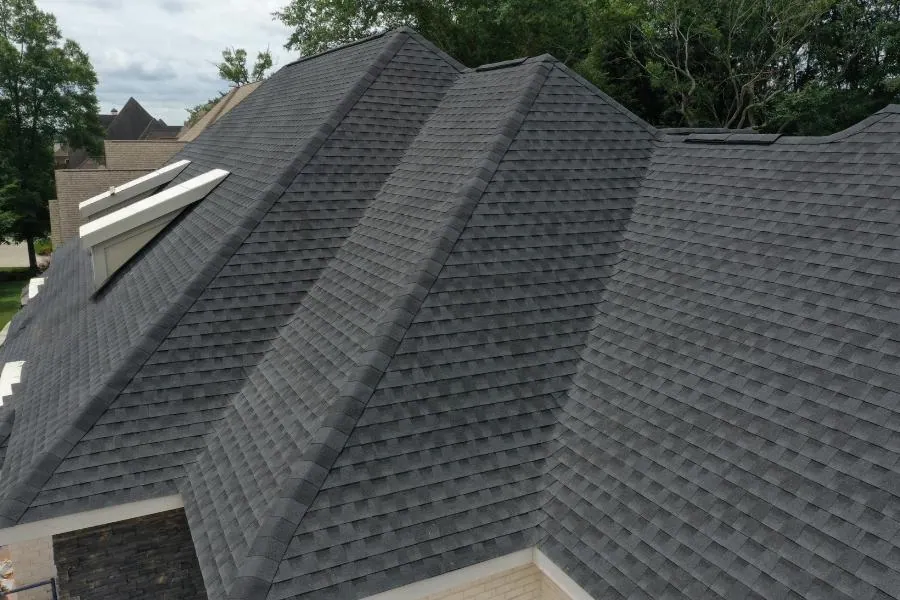
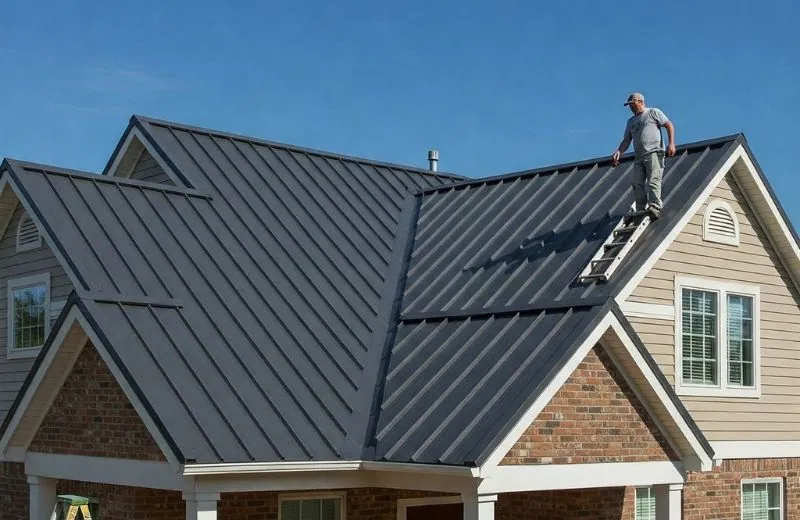
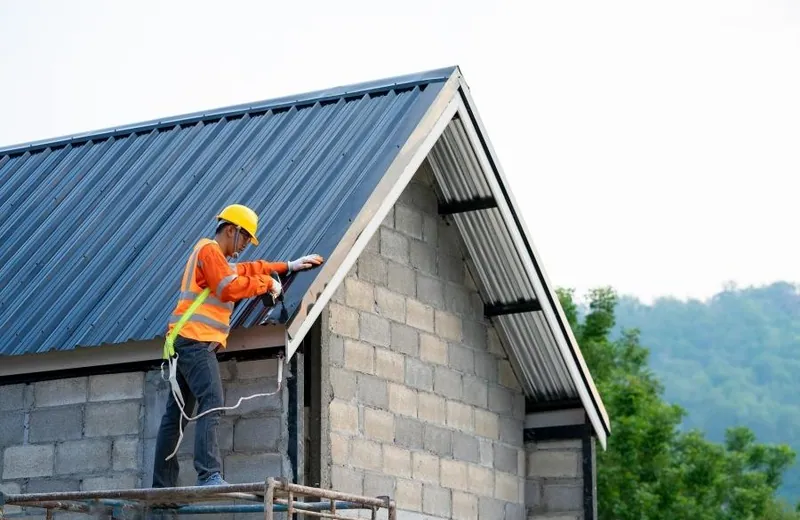
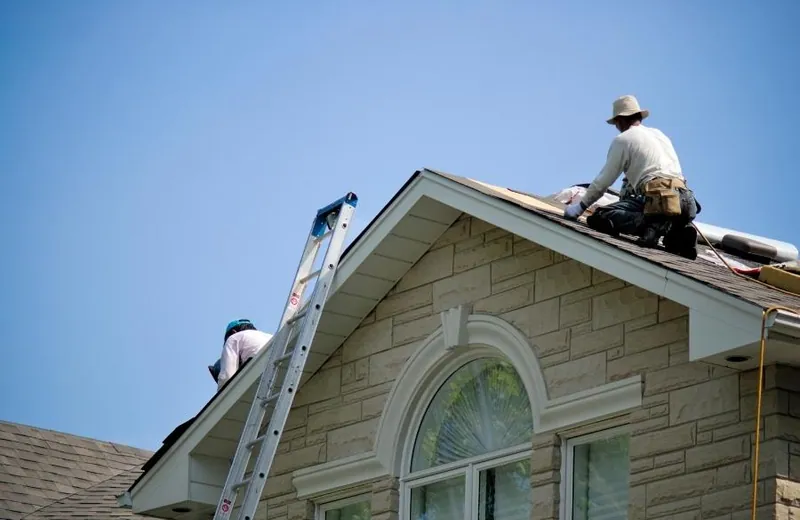
Recent roofing Projects in Lakewood, CO
Lakewood Roofing FAQs
How much does a new roof cost in Lakewood?
Most full asphalt shingle replacements on Lakewood homes run about $13,000–$22,000. Larger two-story homes and Class 4 impact-resistant upgrades often fall between $20,000 and $34,000. Metal roofs and steep mountain homes in Evergreen or Morrison cost more. The biggest variables are roof size, pitch, the material you choose, and whether old plank decking needs to be replaced with new sheathing, which is common on mid-century homes. If hail or wind caused the damage, your insurance policy may cover much of the cost, minus your deductible. We'll give you an itemized written estimate after inspecting your roof.
How long does a roof replacement take?
Most single-family homes in Lakewood are torn off and re-roofed in one to three days. Larger homes, complex hip-and-valley roofs, re-decking, and steep mountain roofs can take longer. Commercial projects are phased and may take a week or more. The paperwork usually takes more time than the installation itself. Insurance approval, permits, and any HOA review can add one to three weeks. After big spring hailstorms, demand spikes across the metro, so it's smart to get on the schedule early. Afternoon thunderstorms in summer can also push work back a day.
Do I need a permit to replace my roof in Lakewood?
Yes. The City of Lakewood requires a building permit for re-roofing, and inspections are generally required. Code typically requires tearing off existing layers once there are already two, installing ice-barrier underlayment at the eaves, and following high-wind fastening rules. If you live in Denver, Golden, Wheat Ridge, Littleton, or Edgewater, your city runs its own permit and contractor-registration system. Evergreen and unincorporated Morrison are permitted through Jefferson County. HOAs and historic districts may need separate approval. We handle the permitting and coordinate inspections as part of your project.
How do I know if my roof has hail damage?
Often you can't tell from the ground, and that's the problem. Hail bruises the shingle mat under the granules, so the damage may not leak for months or even years. Clues you can spot yourself include dented gutters, downspouts, and vent caps, granules piling up at downspout outlets, dings on your AC unit, and damaged window screens. If a storm with 1" or larger hail moved through your neighborhood, schedule a professional inspection. Colorado policies require timely reporting, and waiting can put your claim at risk.
When should I repair versus replace my roof?
Repair makes sense when damage is isolated, like a few blown-off shingles, a cracked pipe boot, or one bad flashing detail, and the rest of the roof is still flexible and holding its granules. Replacement is usually the better value when hail bruising covers multiple slopes, when shingles are UV-brittle and cracking, or when leaks keep coming back. At Lakewood's altitude, many asphalt roofs reach that point at 15–20 years. Act right away on any active leak or missing shingles, because water damage inside costs far more than the roof repair.
Are Class 4 impact-resistant shingles worth it in Colorado?
For many Lakewood homeowners, yes. Class 4 shingles pass the toughest standard impact test and hold up much better against the 1–2" hail common in Jefferson County. Many insurers offer premium discounts for them, which can offset the 10–25% higher upfront cost over a few years. They also help reduce repeat claims, which matters as insurers raise deductibles. Colorado law limits HOAs' ability to ban impact-resistant roofing, though they can still regulate color and style. Ask your insurer what discount applies to your policy.
Can you help with my insurance claim? Will you cover my deductible?
We can document your damage thoroughly, provide photos and an itemized scope, and support supplement requests for code-required items like ice barrier and decking. You stay in control of your claim. What we can't do is pay, rebate, or waive your deductible. Colorado law (C.R.S. 6-22) prohibits that, and it also limits contractors from acting as public adjusters. Any roofer who offers to cover your deductible is breaking state law. You also have the right to cancel your contract within 72 hours of an insurance denial.
How can I prevent ice dams and extend my roof's life?
Balanced attic ventilation and good insulation are the most effective ways to prevent ice dams, because they keep the roof deck cold so snow doesn't melt and refreeze at the eaves. Ice-and-water barrier at the eaves stops backed-up water from getting in. Keep your gutters clear, especially under trees. Spring and fall maintenance visits catch cracked pipe boots, loose shingles, and failing sealant before hail season or winter. Coatings or rejuvenation treatments can also slow UV aging on roofs that are good candidates, which matters a lot at 5,500 feet.
Serving Lakewood, CO & Nearby
Get Your Lakewood Roof Inspected Before the Next Storm
Hail season, Chinook winds, and freeze-thaw cycles never really let up on the Front Range. Find out where your roof stands now, while you still have time to plan and stay within your claim window.
- ✓Detailed, photo-documented roof inspection
- ✓Itemized written estimate that follows Colorado law
- ✓Upfront decking pricing for older homes
- ✓Permit and HOA coordination handled for you
- ✓Bonded and insured crew on every project
- ✓Financing available for replacements and upgrades
- ✓Shingle, Class 4, metal, TPO, and EPDM options
⚡ Active leak or storm damage? Call now for emergency tarping and temporary repairs to protect your home.
Bonded • Insured